From Our Ranch & Our Community.
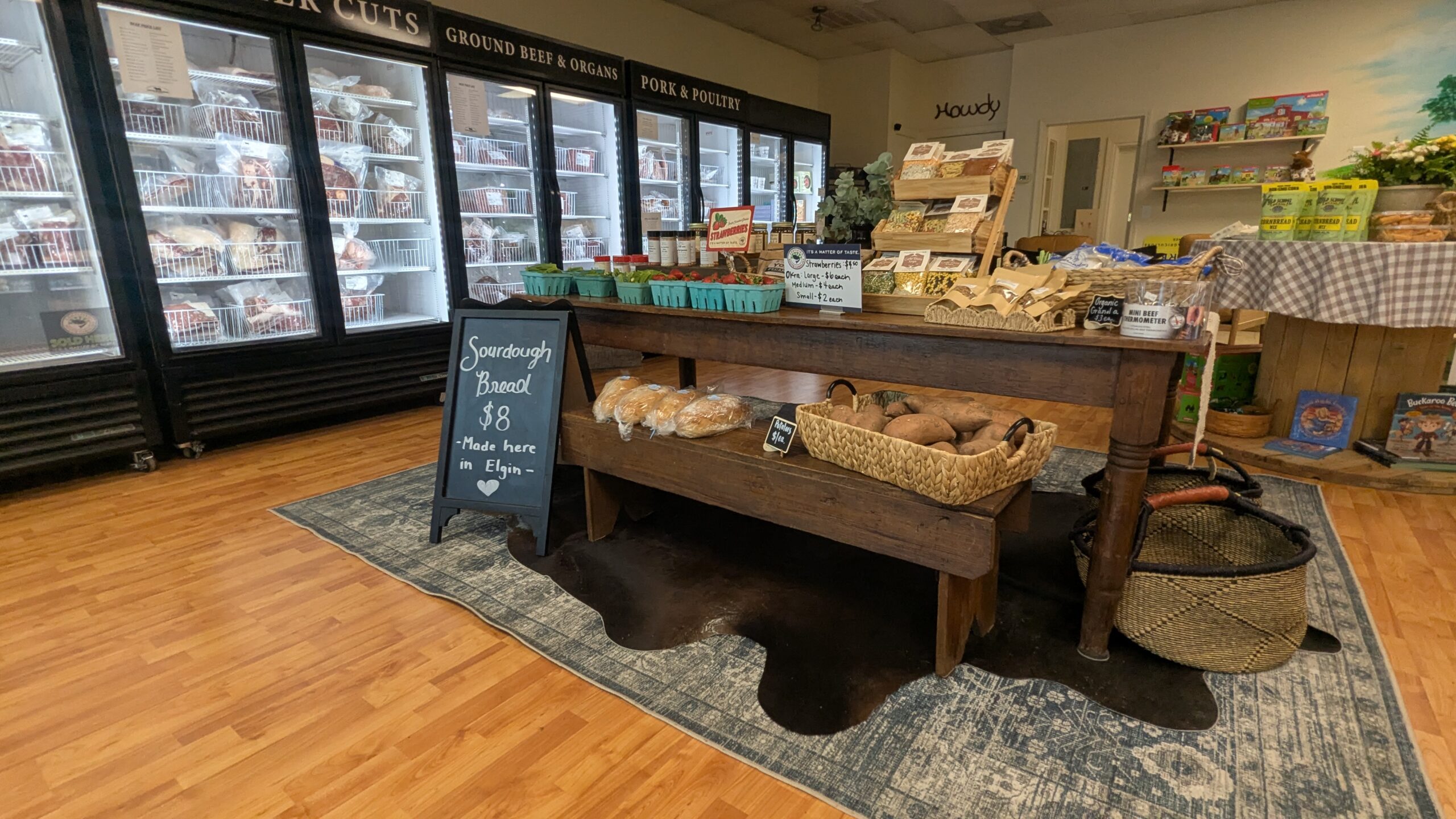
Cornerstone’s own ranch-raised beef is at the heart of the market. Around it, you’ll find fresh food, baked goods and other favorites from local farms, families and makers we’re proud to support.
Cornerstone Beef
Ground beef, steaks, roasts, ribs and specialty cuts from Cornerstone Cattle Co., with a selection that changes as the freezers are restocked.
Chicken & Pork
Local meats from farms and producers in our community, available as supply allows.
Bread & Desserts
Fresh sourdough, baked goods and homemade treats made by real people right here in our community.
Eggs & Dairy
Eggs, milk, cheese and other refrigerator favorites sourced close to home whenever possible.
Fresh Produce
Seasonal fruits and vegetables that follow the weather, the harvest and what local growers have ready.
Local Goodies
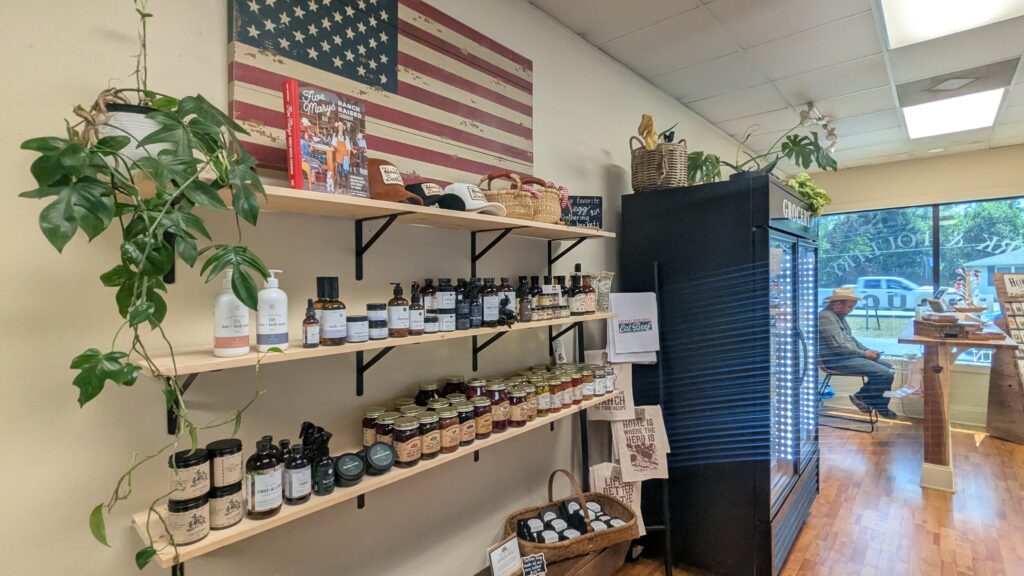
Coffee, snacks, seasonings and other South Carolina finds that make a trip through the market worth slowing down for.
Know Who Raised It.
Know Where It Was Raised.
Food feels different when you can have a conversation with the people behind it. At Cornerstone, you can buy beef directly from the people raising the cattle and ask the questions that matter to you.

The Market Is Two Days a Week.
The Ranch Is Seven.
Long before beef lands in the freezer, there’s work happening behind it. Cattle take time to grow. Weather matters. There are fences, fields, livestock and a whole lot of patience involved before anything ever reaches the market.
Cornerstone’s market gives our neighbors a place to buy beef closer to the people who raised it — and a place to ask questions, learn where their food came from and put a face to the ranch.
“It’s not just a trend for us. It’s our way of life.”
What’s Here Changes — and That’s the Point.
There isn’t a tractor trailer pulling up behind Cornerstone every time something sells out.
Cattle have to grow. Chickens have to be ready. Bread gets baked by real people. Produce follows the season. Our local vendors have farms, families and lives of their own.
So yes — sometimes the steaks go fast. Sometimes the chicken isn’t ready yet. Sometimes somebody gets the last dessert. We’d rather wait for the right product than compromise the quality or the people behind it.

Know Your Beef.
Different cuts. Different flavors. Different ways to enjoy them. Here’s a quick guide to some customer favorites so you can feel confident at the market and get the most out of your beef.

Ribeye
Rich flavor. Beautiful marbling. Always a good idea.
Grilling, cast iron and pan searing.
Ribeye is known for deep beef flavor and natural marbling that melts during cooking, helping create a rich, juicy steak.
Look for small white flecks and thin streaks of fat woven throughout the red meat. That’s marbling. For grilling or cast iron, a steak around 1 to 1½ inches thick gives you enough room to build a good sear without immediately overcooking the center.
- Keep the seasoning simple. Salt, black pepper and a little garlic are usually plenty for a flavorful ribeye.
- Give a thick steak a little time out of the refrigerator before cooking so the center and outside cook more evenly.
- Let it rest for about 5–10 minutes after cooking before slicing so the juices have time to settle back into the meat.

Filet Mignon
Tender. Elegant. Perfect for a special night.
Grilling, cast iron and oven finishing.
Filet comes from the tenderloin and is prized for its exceptionally tender texture and mild, clean beef flavor.
Look for a thick, evenly shaped medallion — around 1½ inches is a very useful cooking thickness. Filet is naturally leaner than ribeye, so don’t expect heavy marbling. Its tenderness is the star.
- Salt and pepper work beautifully, but filet also loves butter, garlic and herbs because it is naturally lean.
- A hot pan or grill gives the outside a great crust. Because filet is often thick, finishing gently after the initial sear helps the center cook evenly.
- Filet can lose some of what makes it special when badly overcooked. Give it a short rest before serving.

Tri-Tip
Beefy. Versatile. A hidden gem.
Grilling, roasting, smoking, sandwiches and tacos.
Tri-tip brings plenty of beef flavor, can feed several people and works for far more than many shoppers realize.
Look for a substantial roast with reasonably even thickness and some exterior fat coverage. If buying tri-tip steaks rather than a whole roast, roughly ¾ to 1 inch thick is a practical size.
- Tri-tip can handle a bolder seasoning blend than filet, so don’t be afraid of garlic, pepper, herbs or a favorite steak rub.
- Grilling or roasting it as a whole piece helps preserve moisture. Give the roast time to rest before carving.
- Pay attention when slicing: the grain changes direction through a tri-tip. Turn the roast as needed and slice across the grain for more tender bites.

Brisket
Low and slow. Worth the wait.
Smoking, braising and low-and-slow roasting.
Brisket has deep beef flavor and connective tissue that transforms during a long, gentle cook into the tender texture barbecue fans love.
Look for good thickness through the flatter portion and enough fat to protect the meat during a long cook. Very thin tapered edges can finish well before the thickest parts and may dry out.
- Brisket doesn’t need complicated seasoning. Salt, pepper and smoke can do an awful lot when the beef is good.
- Cook low and slow and judge the finish by tenderness, not just the number of hours on the clock.
- Resting matters here. Give a finished brisket plenty of time before slicing, then cut across the grain.

Ground Beef
Everyday meals. Extraordinary versatility.
Burgers, meatloaf, tacos, chili, spaghetti, casseroles and just about anything else Tuesday night can throw at you.
Ground beef is versatile, family-friendly and one of the easiest ways to make locally raised beef part of the meals you already cook every week.
Look for a consistent grind with fat distributed evenly throughout. The right lean-to-fat ratio depends on how you plan to use it; more fat generally brings more moisture and richness to burgers.
- When making burgers, handle the beef lightly. Packing or kneading it aggressively can give you a dense patty.
- Form patties evenly — roughly ½ to ¾ inch thick works well for many home-cooking methods — and season shortly before cooking.
- Unlike whole steaks, ground beef should be cooked to an internal temperature of 160°F for food safety.
Our Current Cuts
We carry a rotating selection of beef cuts, so availability changes as we process and restock.
Looking for a particular cut? Follow our restock updates on social media or stop by the market this weekend.
Our Shelves Are a Community Effort.
The beef starts right here with Cornerstone Cattle Co. Beyond the beef freezer, our market also gives local farms, families and makers a place to share what they produce with our community.
OUR RANCH
Cornerstone Cattle Co.
More stories from the farms, families and makers behind the market are coming soon.

Stories from the ranch, the market, the cattle and the folks behind it all.
Why Shopping Local Beef Matters More Than Ever
Buying local beef is about more than what’s for dinner. It’s knowing who raised it, knowing where it was raised, and having a real connection to the people behind your food. At Cornerstone, local isn’t a trend. It’s the whole point.

Visit the Market.
New around here? Welcome to this side of things.
Come see what local really looks like. Take a look in the freezer, browse the shelves, ask questions and see what came in this week.
1310 White Pond Road, Suite B
Elgin, South Carolina 29045